AI Video Game Character Generator
CreateCosplay, in a convention hall, is a craft of patterns, wigs, and respect. Cosplay, in a search box, often means something else: take this famous face, or this famous armor, and emit a picture. The first is costume design. The second is a likeness-and-IP problem wearing a wig.
An “AI cosplay generator” title will pull both crowds. This essay is for the first. Idoli.ai makes original characters, 3-angle references, fashion and cinematic stills, and short video. It will not help you wear someone else’s identity.
Bunny, maid, nurse, cat ears — those silhouettes work because they are types. Types can be restaged. Specific heroines cannot, not without a license and a sitting.
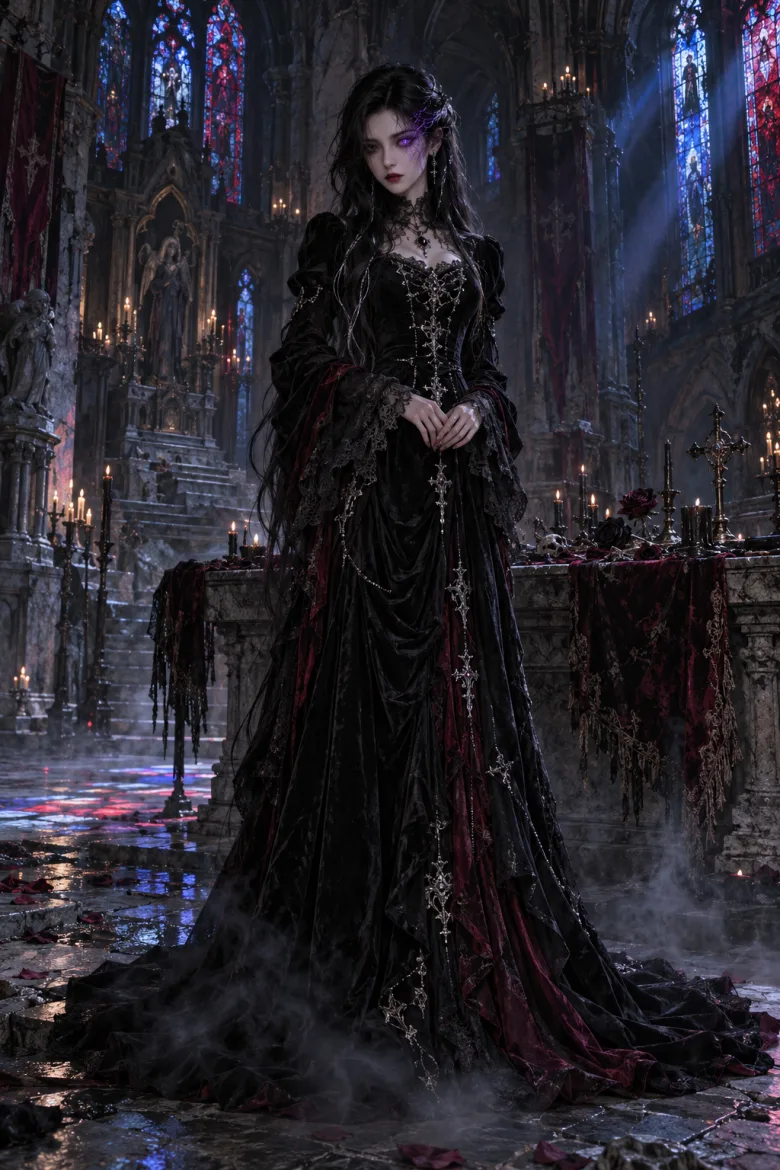
The art worth keeping is the type: a silhouette you could describe without a proper name. Armor as shape. A cape as weight. A color rule. Once a proper name enters the prompt, you have left design and entered casting.
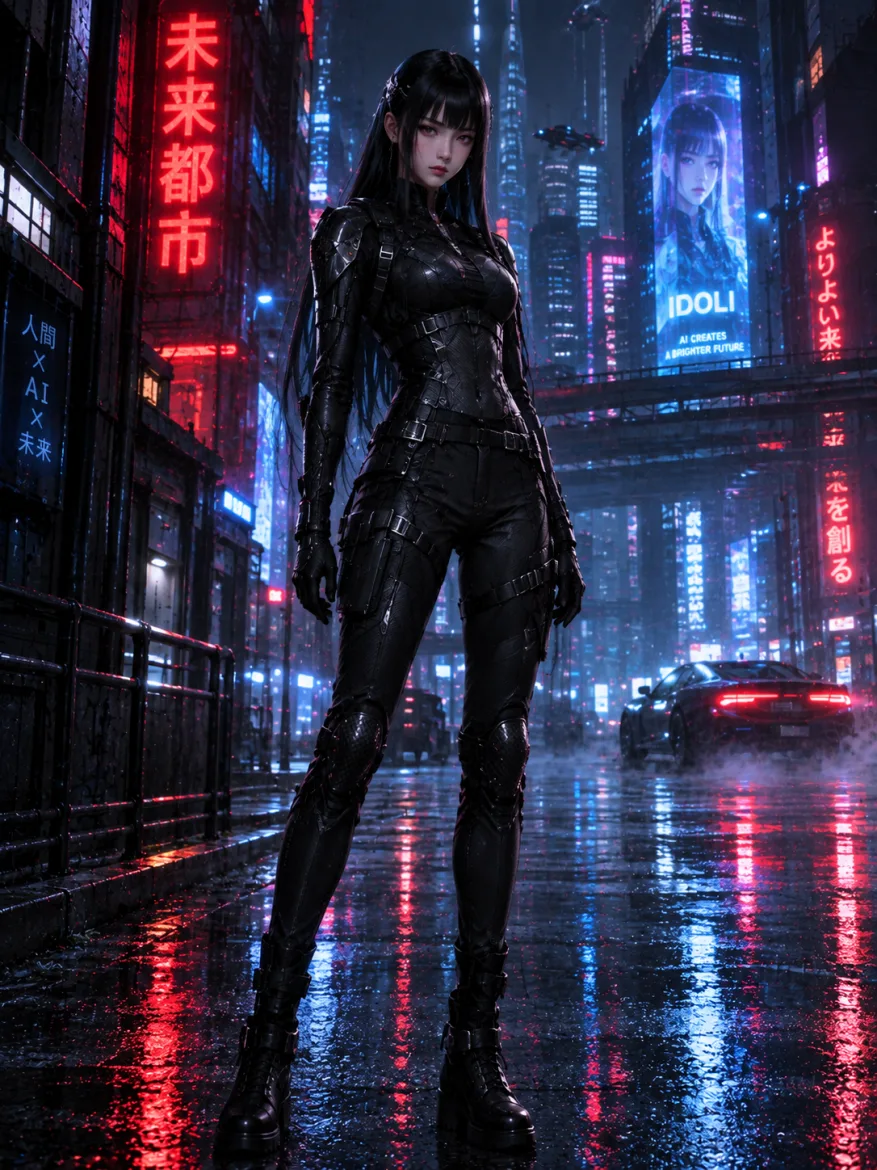
Original character cosplay is closer to fashion than to fan piracy. You invent the person, then invent the suit, then keep both still while the camera moves. That is the same discipline as a lookbook. It is also the only version that belongs on a product blog.
Generators are good at sampling a genre and bad at honoring a contract with a face. 3-angle references are that contract. Wig, helm, and ears will try to renegotiate it. If you let them, you get a new actor in every booth photo.
Image-to-video is a convention-floor test: does the costume still fit when the head turns? If the pauldron eats the jaw, the still was already a collage.
Templates on templates — fashion, cinematic, character busts — are lighting stages. They are not permission to drop a copyrighted heroine into the light.
Do not generate a real cosplayer’s body into a more revealing suit. Do not emit a star in their signature armor. Do not treat “cosplay” as a synonym for undress. The community already has a word for stolen credit. AI should not industrialize it.
Compliant use is dull to recite and sharper in the portfolio: original muse, original or generic costume grammar, no recognizable stolen sitting.
OC sheets for games and fiction. Wig and dye tests before a real build. Mood lighting for a costume you will actually sew. Short cinematic clips of a character you own walking a corridor.
Those are generator uses that still look like love of the craft.
Experience improves when cosplay is allowed to mean your character in a suit — the old meaning.
The cover says generator. The work says authorship. If the picture needs a famous name to land, it is not cosplay art. It is a request for someone else’s face.
Invent the person. Invent the silhouette. Keep both. Let the franchises keep their lawyers.
Build an original at Idoli.ai.
Lock one idol, generate stills and short videos, publish with confidence.
Start creating