Car Window Light Glance
CreateFeeds are full of clips that look, at a glance, like a Grand Theft Auto cutscene: wet coast, magenta and teal, chrome, a character who seems to own the street. A “GTA 6 cutscene generator” search is asking for that weather. It is also, too often, asking for a counterfeit trailer — footage styled as a leak, a HUD, a named lead who does not belong to the person generating it.
The better object is narrower. Original fashion under night color. A face that survives from still to clip. No pretend studio slate. Idoli is for that cutscene language as portrait work, not as a fake gameplay reveal.
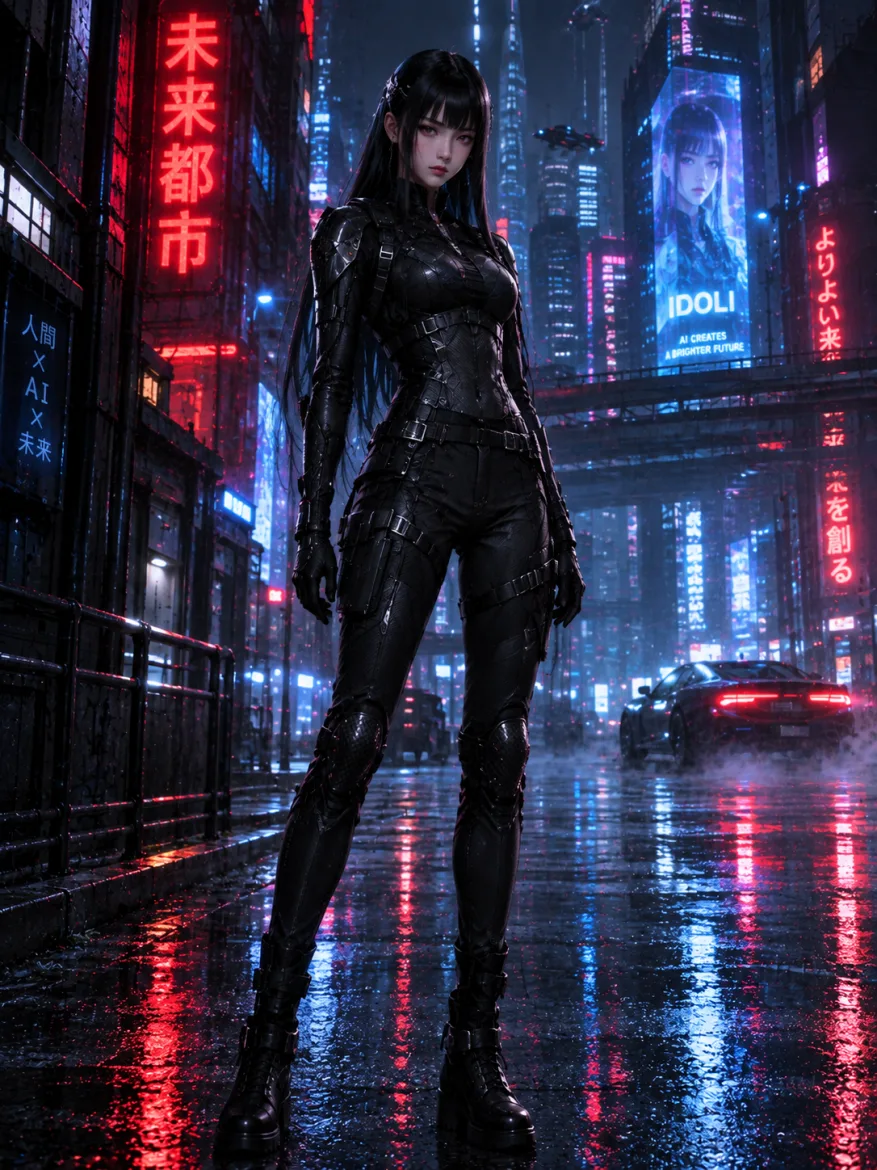
What people call “cutscene CG” is mostly a lighting recipe. Saturated signage. Wet ground as a mirror. Palms and hotel glass as silhouette. Skin picking up two colors at once. The character is dressed for the street, not for a screenshot overlay.
A clean frame from this weather does not need a wanted star, a radio wheel, or a studio logo in the corner. Those marks are how a clip pretends to be product. Remove them and the night is still expensive. The person is still specific.
Cinematic night portrait of an original young woman, wet coastal boulevard, magenta and teal neon, contemporary street fashion, natural skin, no HUD, no logos, no celebrity likeness
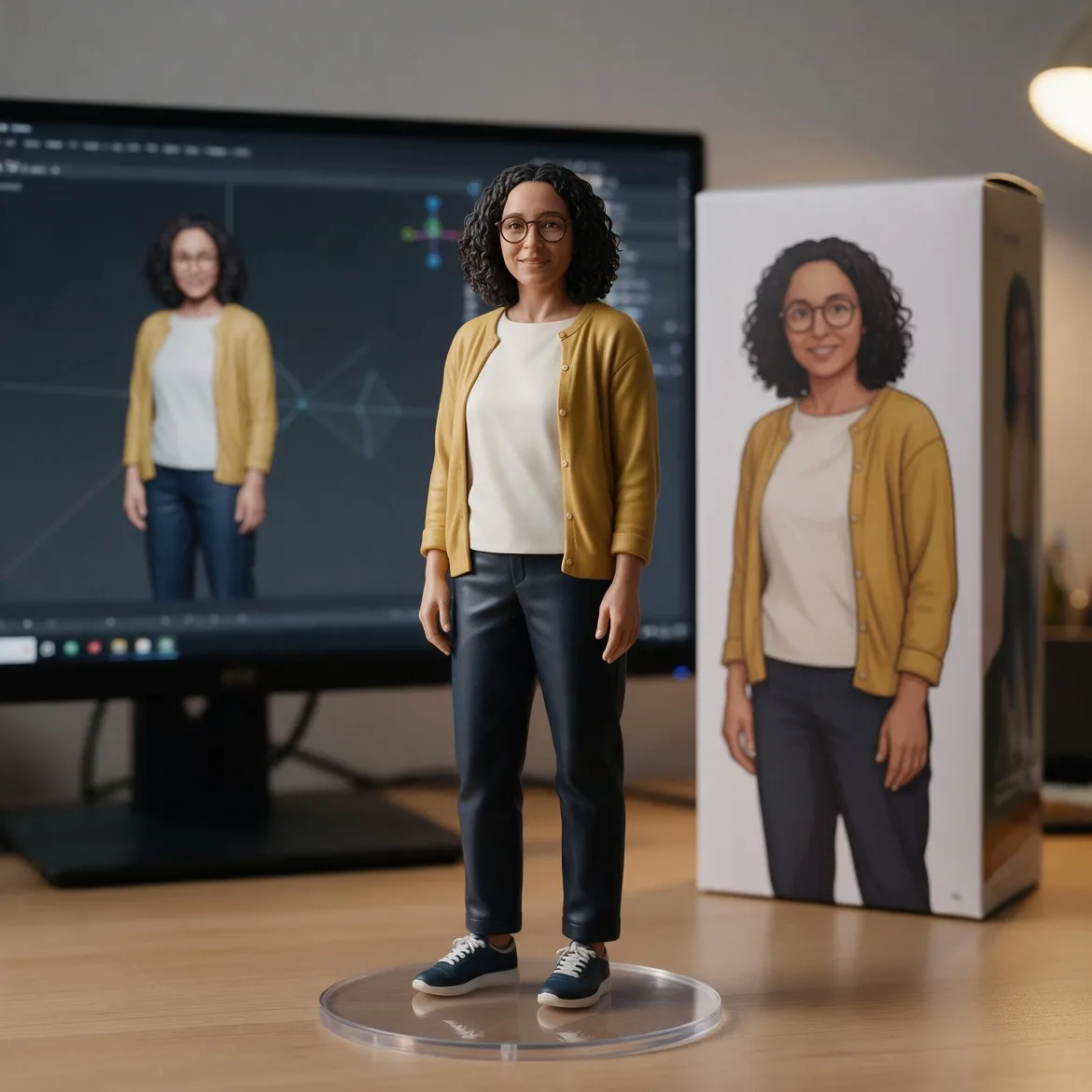
Cutscene language fails in AI when identity drifts. The alley still is one person; the car-window clip is another extra with similar hair. Reusable characters and 3-angle references exist so the neon does not get to invent a new face every time the camera inches forward.
Image to video should add only what a cutscene actually adds: a slow push, cloth, a glance, rain catching light. It should not add a fake UI or a caption that says the footage is official. Short motion that keeps the same muse is cinema. A thirty-second “leak” with melting hands is just noise with better color.
Same locked original character, slow dolly past wet neon storefronts at night, hair and jacket moving, city reflections held, no on-screen text, no HUD, no logos
Rockstar’s characters, maps, marks, and trailer grammar are owned. Feeds already confuse AI clips with official footage; some of those uploads get taken down for a reason. Homage lighting is not the same as cloning a lead, pasting a studio logo, or titling a clip as Trailer 3.
Keep the city as color. Keep the person original. Do not generate a lookalike of a named character. Do not dress a clip as a leak. If the image only works because someone might mistake it for the game, it is not a picture you should publish.
Neon-coast cutscene light is useful when it is honest. Character bibles for an original night-city story. Fashion tests under mixed color. Short portfolio clips that need street motion without a night shoot. Mood frames for a script that lives in wet asphalt and signage.
None of those jobs require a cloned protagonist. They require a muse you can call back, in a grade you designed, with a frame that would still make sense if the trending game did not exist.
Idoli locks the character first, then lets the night move. 3-angle references keep the jaw and the wardrobe from drifting when you go from still to clip. /templates can start the light. /create is where the person stays yours.
That workflow is the opposite of a fake cutscene mill. You are not trying to win an argument in the comments about whether the clip is real. You are trying to make a night that belongs to the character you actually built.
The search wants a GTA 6 cutscene. What you can keep is the light: magenta, wet street, a person who still looks like themselves. Leave the leak aesthetic. Leave the HUD. Then the clip is a cinematic portrait, not a rumor about a game you do not own.
Lock one idol, generate stills and short videos, publish with confidence.
Start creating