Generator für Zeichentrickfilmfiguren
ErstellenLingerie ist eine der ältesten Aufgaben in der Fotografie und eine der lautesten Themen in der KI-Suche. Das Wort zieht zwei Gruppen an: Menschen, die ein Lookbook wünschen – Seide, Riemen, Fenster – und Menschen, die einen Umweg um Zustimmung suchen.
Nur die erste Gruppe stellt ein Modeproblem dar. Riemen, die verrutschen, durchsichtige Stoffe, die zu Nebel werden, ein Körper, der zwischen den Bildern die BH-Größe und die Rippenkäfiggröße ändert – das sind Handwerksfehler. Die zweite Gruppe gehört zu einer anderen Branche. Diese Seite wird sie nicht bedienen.
Idoli.ai ist ein Schaffungsstudio für originelle Charaktere und kinematografische Porträts. Ein KI-Lingerie-Lookbook in diesem Studio besteht aus der Garderobe plus Licht auf einer Musenfigur, die du entworfen hast. Es ist keine Ausziehhilfe mit schöneren Adjektiven.
Redaktionales Lingerie funktioniert wegen seiner Konstruktion. Gummi hat eine Breite. Seide hat einen leuchtenden Fleck, der sich bewegt. Ein Band sitzt auf einem Rippenkäfig, der sich nicht neu erfindet. Wenn der Generator nur nach „sexy“ strebt, wird er das Kleidungsstück überspringen und Haut erfinden. So verlässt der Look die Mode und tritt in einen Prozess ein, den du nicht ausführen solltest.
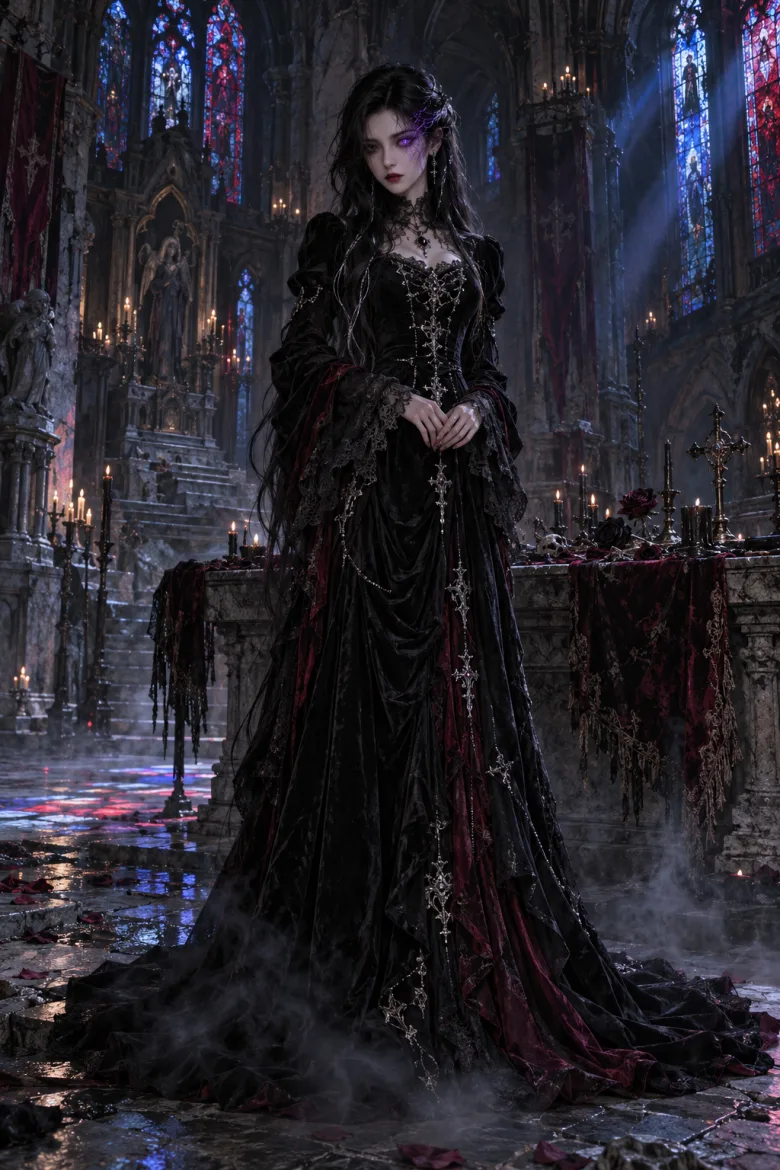
Ein Lookbook ist Wiederholung: eine Musenfigur, eine Farbpalette, vier Räume. Morgendliches Fenster. Hotelleuchte. Kühles Tageslicht auf hellem Stoff. Die Kunst besteht darin, dass derselbe Körper derselbe Körper bleibt, während der Stoff neue Effekte erzeugt.
Charakterreferenzen stellen sicher, dass der Rippenkäfig und das Gesicht übereinstimmen, wenn die Kleidung klein wird. Das ist kein Witz. Kleine Kleidungsstücke machen Identitätsverlust sichtbar. Wenn du die Person nicht festlegst, ist jeder Bilderrahmen eine Neubesetzung.
Beleuchtung ist die andere Hälfte des „Generators“. Fensterhauptlicht, Reflexion von einer Wand, ein Randlicht, das Haar von Gips trennt. Gib den Lampen Anweisungen. Der Ausdruck „KI-Lingerie“ enthält keine Lampe.
Bild-zu-Video kann Stoff und Atmung weitergeben, wenn das Stillbild ehrlich ist. Man sollte es nicht bitten, Anatomie zu erfinden. Wenn der Riemen in Bewegung springt, hat das Stillbild bereits gelogen.
Das soziale Foto einer lebenden Person ist keine Anprobe. Die Ähnlichkeit zu einem Promi in einem durchsichtigen Set ist kein Moodboard. Diese Bilder „funktionieren“ nur, weil der Betrachter das Opfer benennen kann. Das ist der Auftrag, den wir ablehnen.
Die veröffentlichbare Version ist fiktiv, gestaltet und langweilig für Anwälte: origineller Charakter, beschriebene Kleidungsstücke, redaktionelle Zuschneidung, keine gestohlene Aufnahme. Hitze, falls vorhanden, ist dieselbe Hitze, die eine Zeitschrift bereits weiß, wie man sie druckt.
Lookbooks für virtuelle Musenfiguren. Stofftests für Designer, die den Fall eines Stoffs vor einer Musterherstellung prüfen müssen. Beleuchtungsstudien für Fotografen, die Seide unter zwei Hauptlichtquellen sehen wollen. Kurze Clips, die einen Blick wiederholen, nicht ein Ausziehen.
Diese Anwendungen passen nahtlos zu Modevorlagen und Kampagnenporträts auf Vorlagen – Hotel, sanftes Licht, redaktionelle Modelldarstellungen – mit deinem konstanten Charakter.
Die Erfahrung wird besser, wenn Dessous wieder als Kleidung akzeptiert werden dürfen.
Ein KI-gestütztes Dessous-Lookbook ist ein Problem mit Stoff und Licht an einer Person, die Sie berechtigt generieren dürfen. Die Suche wird immer lauter sein als dieser Satz. Die Arbeit muss das nicht sein.
Gestalten Sie die Muse. Beschreiben Sie den Stoff. Beleuchten Sie den Raum. Lassen Sie die gestohlenen Sitzungen, wo sie sind.
Richten Sie das Set auf bei Idoli.ai.
Einen Idol festlegen, Stillbilder und Kurzvideos erzeugen.
Jetzt erstellen